September 21, 2026
Brick structures project strength and permanence, offering an illusion of invulnerability. However, the mortar holding these masonry units together remains susceptible to environmental wear and gradual decay. Environmental factors exert constant pressure on the exterior facade. Over time, the materials binding the bricks begin to wash away or crack. Owners fail to notice subtle changes until severe damage manifests. Ignoring the initial stages of masonry decay leads to cascading structural problems that compromise the entire building.
Addressing minor imperfections in the beginning stages prevents massive repair bills and extensive reconstruction. Professional tuckpointing services remove the decayed material and insert fresh mortar, restoring the physical integrity of the wall. When property managers delay this maintenance, the brickwork loses its ability to bear weight and repel moisture. The facade transforms from a protective barrier into a liability. Recognizing the consequences of neglected masonry maintenance remains essential for preserving any brick building.
Understanding the Structural Compromises
The primary function of mortar involves distributing weight across a masonry wall. When these joints erode, the load-bearing capacity of the structure diminishes. Bricks press against each other, creating uneven pressure points. This abnormal stress causes the bricks themselves to crack, spall, or shift out of alignment. A wall with severe joint erosion cannot support the roof without risking a partial collapse.
Small cracks in the binding material might seem insignificant, but they represent the beginning of structural failure. As the gaps widen, the entire wall loses its rigid framework. Shifting foundations exacerbate this issue, pulling the weakened masonry apart. Buildings in environments with fluctuating soil suffer accelerated damage when the facade lacks a solid bond. The masonry framework relies on intact joints to resist lateral forces from wind and ground movement.
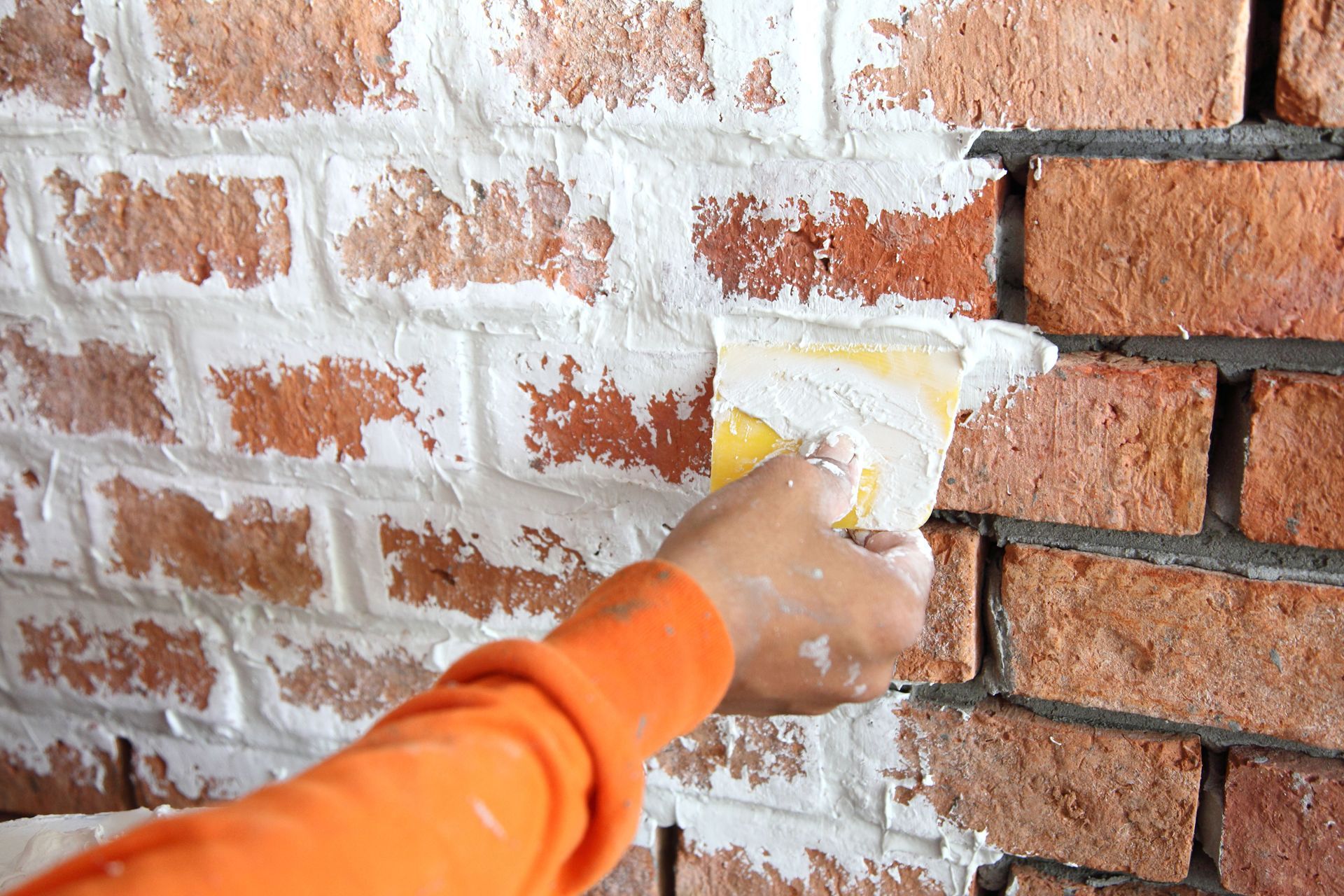
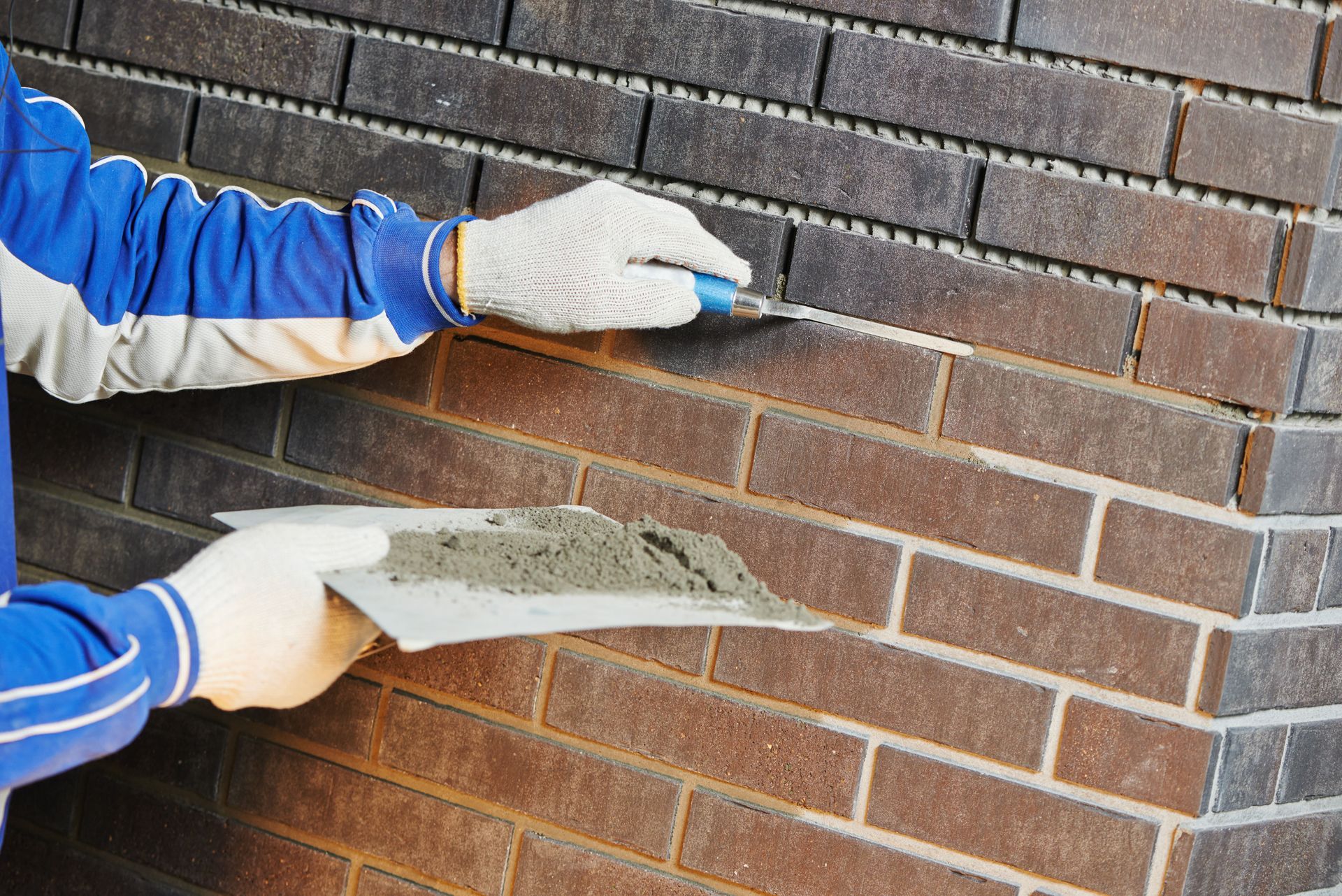
Securing specialized tuckpointing services halts this progression of structural decay. Masons scrape out the ruined joints to a specific depth before packing new material into the empty spaces. This intervention reinstates the original load-bearing properties of the facade. Without this critical repair, the wall continues to sag and bulge. The resulting instability forces owners to contemplate complete wall replacements instead of maintenance.
A failing structure poses severe safety hazards to occupants and pedestrians. Loose bricks fall from great heights, while facade sections threaten to detach. Municipalities might even condemn buildings that exhibit obvious signs of imminent masonry failure. Maintaining the joints guarantees that the brickwork remains a stable, safe, and durable component of the architecture.
Evaluating the Moisture Infiltration
Intact mortar serves as a waterproof seal against rain and snow. When gaps appear, moisture finds an unobstructed path into the interior wall cavity. Brick itself absorbs some water, but open joints allow a continuous stream of moisture to bypass the outer defense. This infiltration wreaks havoc on interior wood frames, drywall, and insulation. Damp interior spaces foster mold growth and create an unhealthy environment.
Freezing temperatures compound the severity of moisture trapped inside a brick facade. Water expands as it turns to ice, exerting massive internal pressure on the surrounding masonry. The freeze-thaw cycle shatters both the mortar and the bricks. Each winter season widens the existing cracks, inviting even more water into the structure during the spring rains. The cycle continues unabated until professionals seal the gaps.
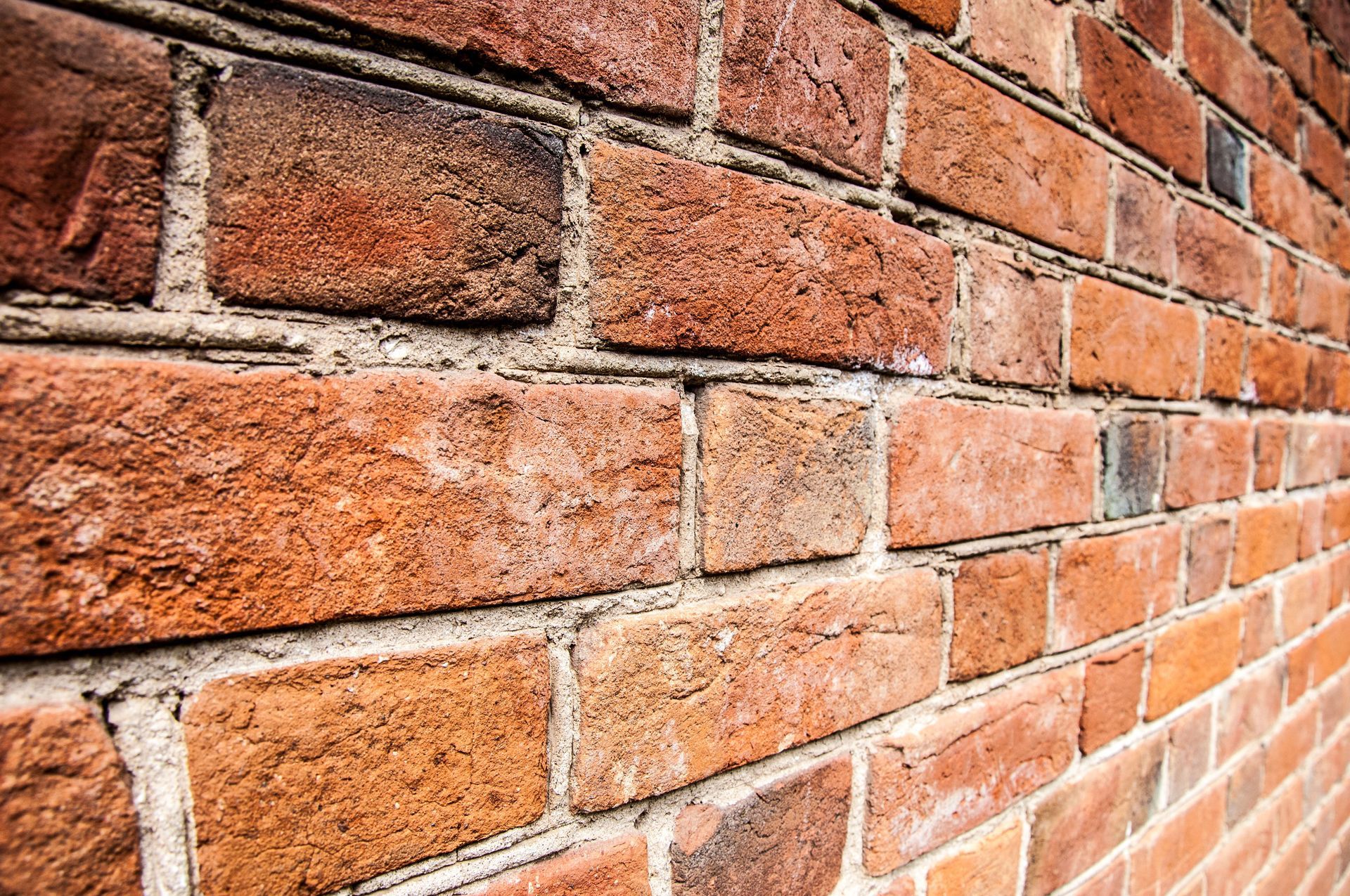
Recognizing the visual cues of this specific type of decay remains crucial for prompt intervention. According to This Old House, crumbling, falling-out, or powdery mortar is one of the clearest signs of deterioration, indicating that it needs tuckpointing. Property owners who notice this white, chalky residue must act immediately. Ignoring this symptom guarantees further water intrusion and deeper architectural decay.
Hiring professional tuckpointing services prevents water from wreaking further havoc. The new material creates a watertight barrier that repels seasonal precipitation and stops the destructive freeze-thaw cycle. Moisture stays outside the building envelope, protecting the hidden framing members from rot. Proactive exterior maintenance functions as the best defense against catastrophic interior water damage.
Recognizing the Aesthetic Deterioration
A brick building with a pristine facade communicates elegance and quality. In contrast, a structure riddled with jagged gaps and crumbling joints looks derelict and neglected. The visual appeal of masonry relies on the clean, uniform lines of the mortar. When these lines disappear into shadows and holes, the building loses its architectural charm. Curb appeal drops, making the property an eyesore.
Prospective buyers judge a property by its exterior condition before stepping inside. Visible masonry decay acts as a major deterrent. Real estate values plummet when buyers anticipate massive repair projects upon purchase. Appraisers note the deteriorating facade and reduce the estimated market value of the estate. Property owners lose substantial equity by ignoring the visual decline of their exterior walls.
The color and texture of the original joints fade and alter as the material degrades. Patches of bright white powder, known as efflorescence, stain the bricks surrounding the damaged areas. This chalky substance results from water pulling salts out of the masonry, leaving an ugly residue on the surface. These stains prove difficult to clean and reappear as long as the joints remain open to moisture.
Utilizing expert tuckpointing services restores the visual majesty of the brickwork. Skilled masons match the color and profile of the new material to the original design, creating a seamless finish. The facade regains its sharp, clean lines and uniform appearance. Rejuvenating the exterior through this method protects the property value and enhances the overall neighborhood aesthetic.
Anticipating the Financial Consequences
Deferred maintenance creates a deceptive illusion of saving capital in the short term. However, the true expense of ignoring masonry decay surfaces in exponential repair bills. What begins as a minor expense to fix damaged joints morphs into a massive construction project. Structural engineers must evaluate walls that have bowed or shifted due to missing support. These consultations add expense before any physical repairs commence.
Complete masonry reconstruction demands intensive labor and substantial material costs. Masons must tear down the damaged sections, salvage reusable bricks, and rebuild the wall from the foundation up. This process disrupts daily life and requires extensive site preparation, scaffolding, and cleanup. The financial burden of a full rebuild dwarfs the price of maintenance. Property owners face mounting debts when they fail to address the root cause of the decay.
Insurance premiums might increase when providers notice a lack of basic structural upkeep. Adjusters recognize that failing facades lead to interior water damage claims and liability issues regarding falling debris. Carriers may refuse to renew policies on buildings that exhibit severe masonry neglect. Without coverage, the property owner assumes all financial risk for any resulting catastrophes. Keeping the exterior in pristine condition satisfies insurance requirements and mitigates risk.
Investing in timely tuckpointing services offers a profound return on investment by preventing these exorbitant costs. A well-maintained facade lasts for decades, eliminating the need for constant, expensive interventions. The upfront cost of masonry repair acts as an insurance policy against total structural failure. Wise property managers allocate funds for periodic joint restoration, securing their financial future and the longevity of their building.
Taking proactive steps remains the only viable strategy for preserving a brick edifice. Scheduling regular inspections ensures that property owners catch the decay before it cascades into a massive rebuild. Enlisting professional tuckpointing services at the initial signs of trouble safeguards the building against moisture, structural collapse, and financial ruin. Maintaining these crucial joints guarantees that the brickwork will continue offering shelter, security, and timeless beauty for generations. Don't let crumbling mortar compromise your building's safety; contact us at Mark's Tuckpointing & Remodeling Inc today. We offer professional tuckpointing services to restore your facade and protect your property from further deterioration.