August 15, 2026
Brickwork is known for durability, but the mortar holding masonry together does not remain unchanged forever. Exposure to weather, moisture, temperature changes, and time can gradually weaken mortar joints. When deterioration becomes visible, addressing it promptly can help preserve the appearance and structural integrity of brick walls, chimneys, and other masonry features.
Tuckpointing addresses deteriorated mortar joints before masonry problems become more extensive. Because some warning signs can also indicate damaged bricks or broader structural concerns, professional evaluation is important for determining whether tuckpointing services are appropriate or whether additional brick repair, replacement, restoration, or chimney work is needed.
1. Mortar Is Crumbling or Falling Away
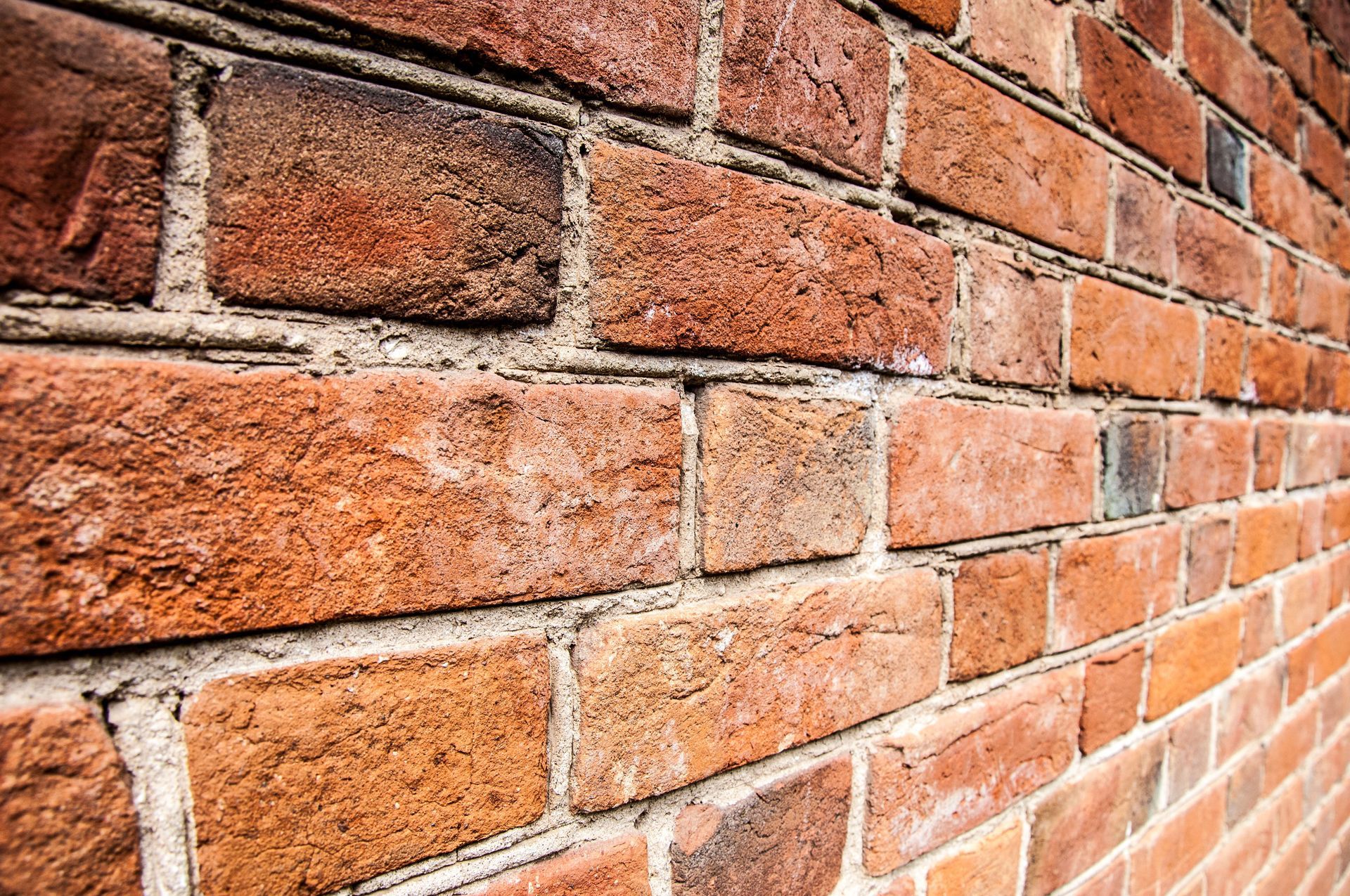
Crumbling mortar is one of the clearest indications that masonry joints are deteriorating. Mortar should provide a stable connection between bricks, so material that flakes, powders, or falls away means portions of the joint are no longer maintaining their original condition. The deterioration may begin in isolated areas before becoming more noticeable across the wall.
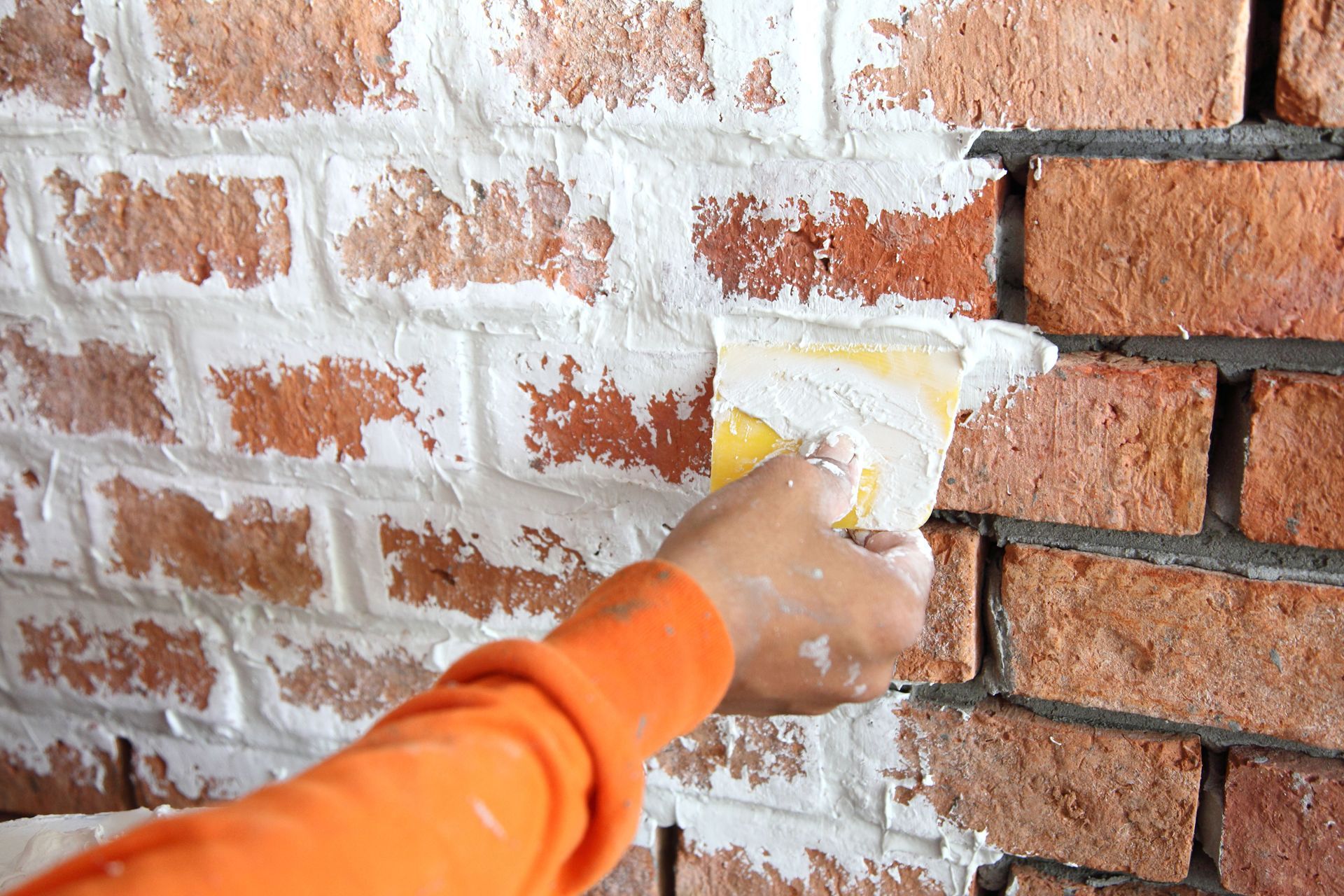
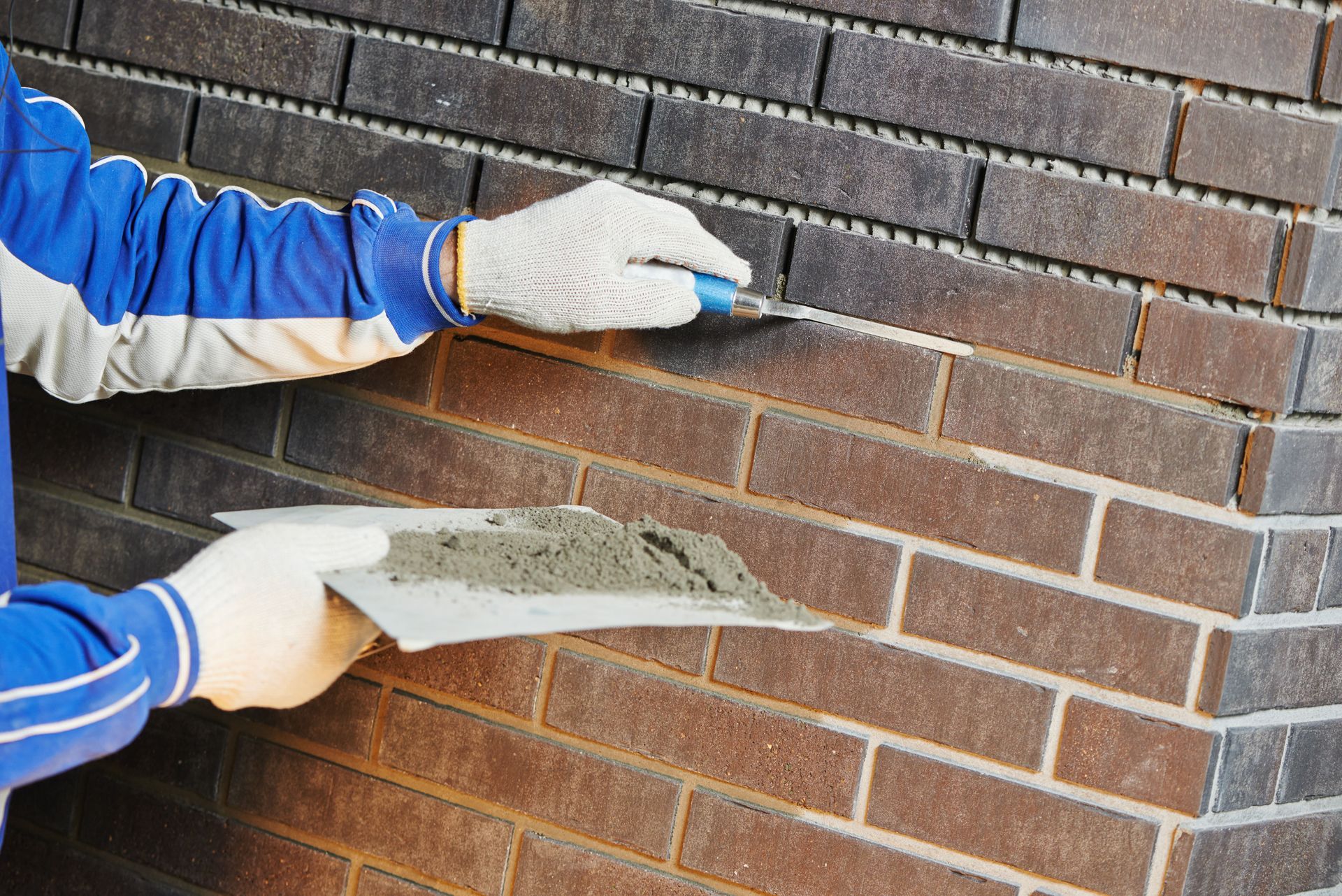
Professional tuckpointing services can address deteriorated mortar while helping restore the integrity and appearance of the brickwork. A masonry professional can assess how widespread the damage has become and identify whether the surrounding bricks remain in suitable condition. This distinction matters because damaged bricks may require repair or replacement in addition to work on the mortar joints.
2. Cracks Are Developing in the Mortar
Visible cracks along mortar joints deserve attention even when the individual bricks appear intact. Cracking can indicate that portions of the mortar have begun losing their sound condition. If those cracks continue to deteriorate, the joints may become increasingly vulnerable to weather and moisture.
Tuckpointing services may be appropriate when the problem is concentrated in deteriorated mortar rather than the bricks themselves. A professional assessment can determine how much of the joint system is affected and whether other masonry damage is present. Addressing cracked mortar also helps restore a more consistent appearance to brickwork that has begun showing obvious signs of wear.
3. Gaps Are Appearing Between Bricks
As mortar deteriorates, portions of a joint may wear away enough to leave visible gaps or recessed areas between bricks. These openings are different from intact mortar joints that maintain a consistent connection throughout the masonry. They can make sections of an otherwise solid-looking wall appear uneven or neglected.
Missing or deteriorated mortar warrants professional attention because the joints contribute to the overall condition of the masonry. Restoring those areas may involve removing compromised mortar and renewing the affected joints. A professional evaluation can also compare the affected area with nearby sections to determine whether deterioration is isolated or more widespread. If gaps appear alongside damaged or displaced bricks, a broader brick repair or restoration approach may be required instead of treating the mortar as the only problem.
4. Bricks Have Become Loose
Loose bricks are another warning that masonry should be professionally evaluated. Mortar helps keep individual masonry units securely positioned, so a brick that shifts or no longer feels properly integrated into the surrounding wall can indicate deterioration in the joint system. The condition can also occur alongside cracked mortar or other visible damage.
When deteriorated joints contribute to looseness, tuckpointing services may form part of the necessary restoration. However, the brick itself also needs to be assessed because damaged masonry units may require brick replacement or repair. Professional evaluation keeps the response focused on both the mortar and the condition of the surrounding brickwork rather than assuming that every loose brick has the same cause.
5. Water Damage Is Appearing Around the Masonry
Water damage can be an important clue that brickwork needs attention. Staining, deterioration, or other moisture-related changes around masonry can appear when exterior materials are no longer performing as expected. Chimneys can also experience water infiltration, making moisture concerns particularly important around exposed masonry.
Damaged mortar joints are one possible area professionals can evaluate when water-related deterioration is present. Tuckpointing services can address compromised joints when they are contributing to the masonry problem, while brick repair, cleaning, or other masonry work may be appropriate for additional damage. Moisture-related symptoms can affect different parts of the masonry, making it important to consider the overall condition rather than focusing on one visible mark. A professional assessment is important because staining alone does not establish that mortar deterioration is the sole source of the problem.
6. Chimney Mortar Shows Noticeable Deterioration
Chimneys are highly exposed masonry structures, making changes in their brick and mortar especially noticeable. Cracking, deteriorating joints, loose masonry, or evidence of water infiltration can indicate that the chimney needs professional attention. Because several kinds of masonry deterioration can occur together, the condition of both the mortar and brick should be considered when the chimney is evaluated. Ignoring visible deterioration can allow damage to become more extensive over time.
Not every chimney problem can be resolved through work on the mortar joints alone. Some conditions may call for brick repair, structural repair, or a more comprehensive chimney repair or rebuild. Having the masonry evaluated allows the appropriate scope of work to be identified before assuming that surface-level mortar restoration will address every issue affecting the structure.
7. The Mortar Has Been in Place for Decades
Mortar does not need to be actively falling from the wall before its age deserves consideration. Older joints may gradually show cracking, erosion, looseness, or other deterioration that becomes easier to recognize during a professional masonry evaluation. Age by itself does not mean that every mortar joint has failed, so the visible condition of the masonry remains important. The amount of exposure a wall or chimney receives can also influence when problems begin appearing.
According to This Old House, tuckpointing is generally recommended every 25 or 30 years, or sooner when warning signs such as crumbling mortar or loose bricks appear. That timeframe makes aging mortar worth monitoring even when the surrounding brick remains visually appealing. When decades have passed and deterioration is becoming noticeable, tuckpointing services can help address worn joints before masonry problems advance further.
Why Prompt Attention Matters
Mortar deterioration is not purely an appearance issue. Mortar joints form an important part of brick masonry, and progressive deterioration can accompany loose bricks, moisture problems, or weakening areas that require repair. Addressing visible changes promptly also gives a masonry professional an opportunity to determine how much of the surrounding brickwork has been affected. Responding when damage is still concentrated in the joints allows professionals to determine whether tuckpointing alone is appropriate or whether additional masonry restoration is necessary.
Prompt evaluation is also useful because several warning signs can overlap. Crumbling joints may appear alongside loose bricks, while cracks can occur near water-damaged or deteriorating areas. Damage in one section may also warrant attention to nearby masonry so the overall condition can be understood. A masonry professional can distinguish between mortar deterioration suited to tuckpointing and problems that require brick replacement, structural repair, chimney repair, or other masonry work.
Protecting Brickwork for the Long Term
Visible mortar deterioration is worth addressing before it becomes a larger masonry concern, particularly when cracks, gaps, loose bricks, or moisture-related damage begin appearing together. A professional evaluation can clarify what is affecting the brickwork and identify the appropriate restoration approach without assuming every masonry problem has the same solution. Mark's Tuckpointing & Remodeling Inc provides tuckpointing services, brick repair, brick replacement, restoration, and chimney repair for properties throughout Chicago and the surrounding suburbs. Property owners who notice deteriorating mortar or other brickwork concerns can contact Mark's Tuckpointing & Remodeling Inc for a free estimate and professional assessment of the masonry.