October 21, 2026
Brick exteriors give homes character, durability, and a timeless appearance, but even well-constructed masonry can develop problems as it ages. Cracked bricks, deteriorating mortar, gaps around joints, and moisture penetration can gradually affect a home's exterior and contribute to more extensive damage. Addressing these issues early helps preserve the structure and maintain its appearance. Professional brick masonry repair allows homeowners to identify the source of deterioration and restore affected areas using appropriate materials and techniques.
Masonry damage does not always begin with an obvious structural concern. Seasonal temperature changes, water exposure, foundation movement, and normal material aging can all contribute to visible defects. While a small crack may initially seem cosmetic, it can sometimes indicate a condition that deserves closer evaluation. Understanding the benefits of professional repairs helps homeowners protect their investment and make informed decisions about maintaining their brickwork.
Identifying Damage Before It Spreads
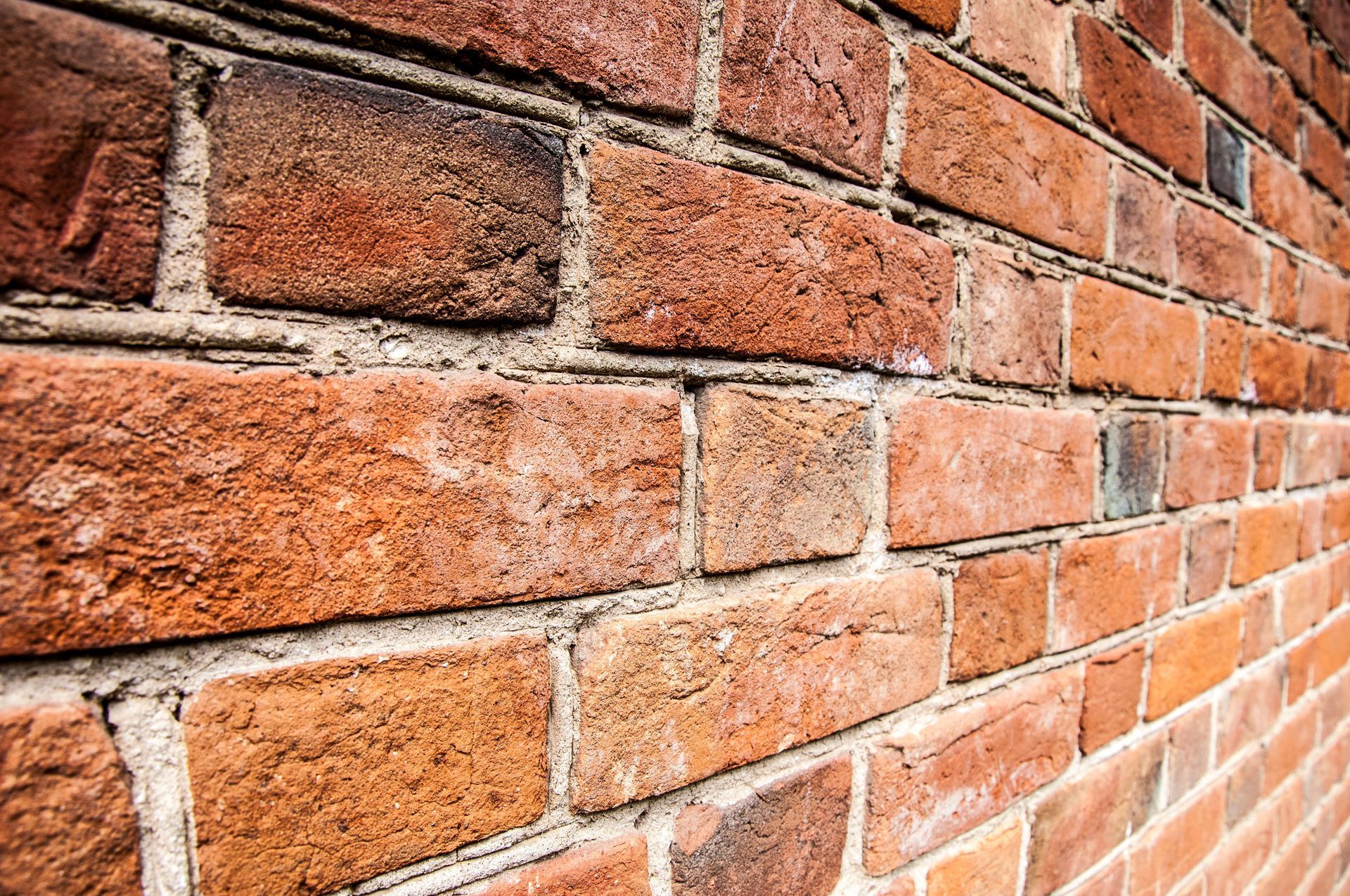
One important benefit of professional masonry service is the ability to evaluate visible damage and determine what may be causing it. Cracked bricks, loose mortar, bulging walls, and gaps around openings can indicate different types of problems. A qualified masonry professional examines the affected areas and considers factors such as moisture exposure, movement, and the condition of surrounding materials. This assessment helps establish an appropriate repair plan instead of treating every defect in the same way.
Early attention can also help limit the extent of deterioration. Damaged mortar may allow water to enter joints, where repeated exposure can weaken surrounding materials. If the underlying issue remains unresolved, nearby bricks may become loose or additional sections may require attention. Professional brick masonry repair helps homeowners address developing concerns before they become more complicated or disruptive to the property.
Preserving Structural Stability and Support
Brick walls rely on properly functioning masonry units, mortar joints, and supporting structures to maintain their intended configuration. When these components deteriorate, the wall may become less stable or more vulnerable to additional damage. Professional assessment helps determine whether the problem is limited to surface deterioration or involves a more significant structural concern. This distinction is important because different conditions require different repair methods.
Some warning signs, including pronounced wall bulging, substantial cracking, or visibly displaced brickwork, may require prompt evaluation. These conditions should not automatically be treated as ordinary wear because they can sometimes indicate movement or compromised support. A masonry professional can assess the severity and determine whether additional specialists are needed. Addressing structural concerns appropriately helps protect the home and supports the long-term performance of its exterior.
Preventing Moisture Intrusion and Water Damage
Water is a major concern for exterior masonry because it can enter through deteriorated mortar joints, cracks, and gaps around windows or doors. Once moisture reaches vulnerable areas, it may contribute to staining, interior leaks, material deterioration, and damage to adjacent building components. In colder climates, trapped moisture can freeze and expand, placing additional stress on masonry surfaces. Professional repairs help restore vulnerable joints and address openings that may allow water to penetrate the exterior.
Effective moisture protection requires more than covering visible gaps. The source of water intrusion must also be considered, including drainage conditions, roof runoff, flashing, and nearby surfaces that direct water toward the wall. A repair that overlooks these contributing factors may not provide a lasting solution. Professional
brick masonry repair can form part of a broader strategy for managing moisture and preserving the condition of the home's exterior.
Restoring Mortar Joints and Brickwork
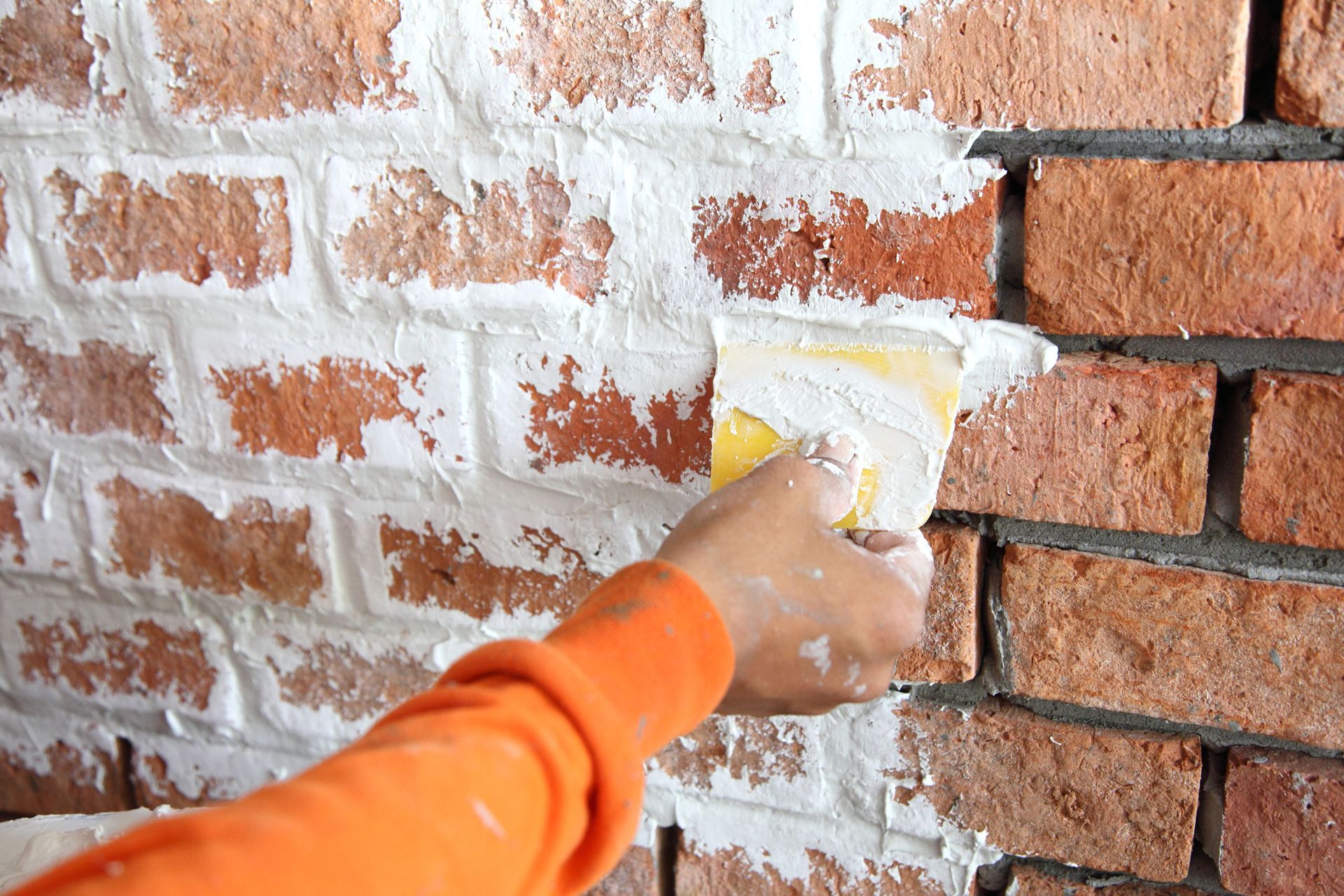
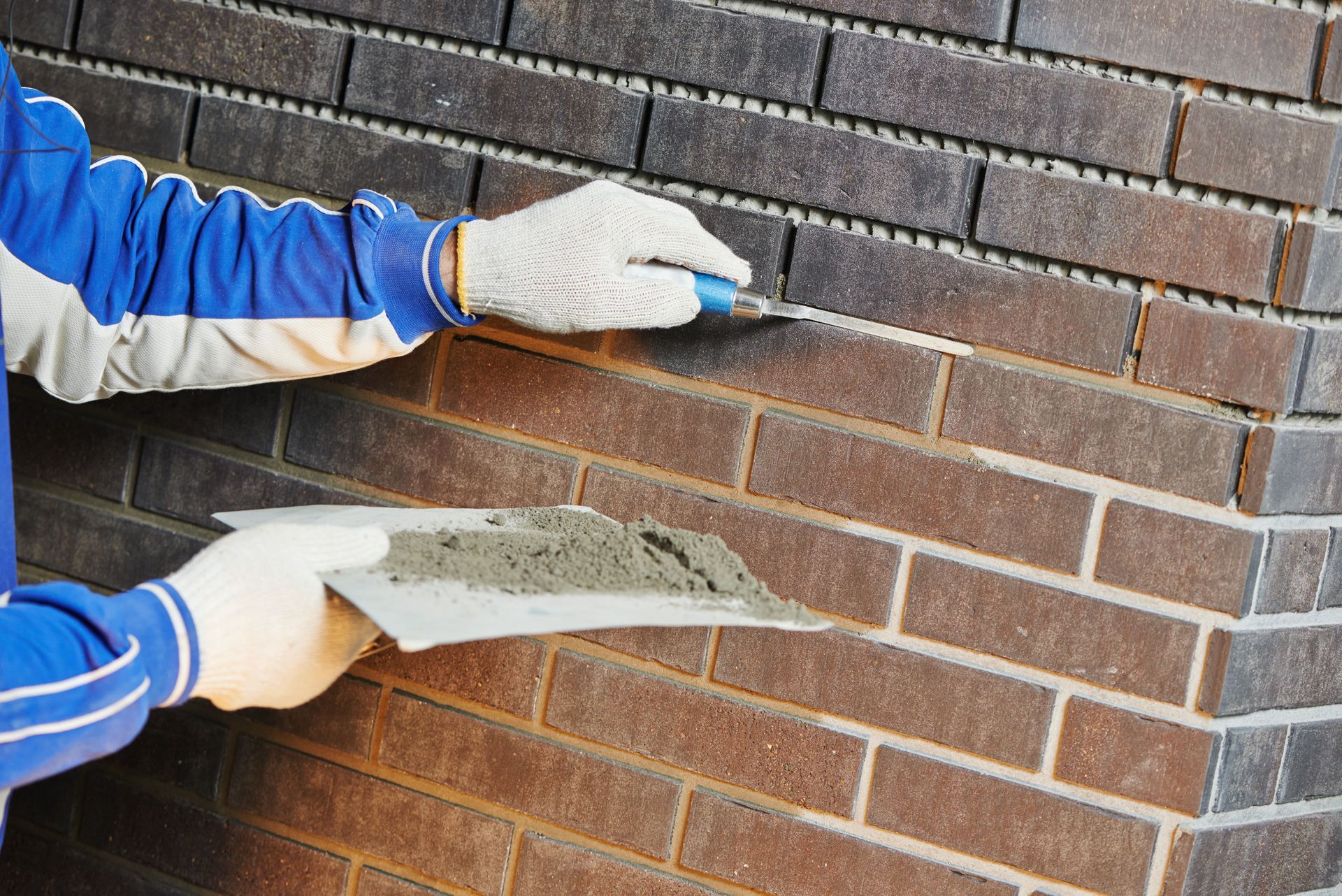
Mortar plays an essential role in masonry by binding bricks together and helping limit water entry through the joints. Over time, weather exposure and natural aging can cause mortar to crack, crumble, or recede from the brick faces. When deterioration becomes significant, repointing may be appropriate to remove compromised mortar and replace it with a compatible material. Proper execution helps restore the joints while maintaining the wall's intended appearance and performance.
Compatibility matters because mortar that is too hard or otherwise unsuitable for the existing brick can contribute to additional damage. Older masonry, in particular, may require materials that accommodate the characteristics of the original construction. A professional evaluates the existing brick and mortar before selecting a repair approach. Careful matching helps preserve the masonry's integrity and creates a more consistent finish across repaired areas.
Improving Exterior Appearance and Curb Appeal
Damaged brickwork can make an otherwise well-maintained home appear neglected. Missing mortar, mismatched repairs, surface discoloration, and cracked bricks may draw attention away from the property's architectural features. Restoring deteriorated sections can improve the exterior's overall consistency and help maintain its original character. This is particularly important for homes where brick is a prominent design element.
Appearance-related repairs should still account for the condition of the underlying materials. Replacing individual bricks or repairing joints without understanding why the damage occurred may leave the contributing issue unresolved. Professional masonry work considers both the visual result and the condition of the surrounding wall. This balanced approach helps homeowners maintain an attractive exterior while addressing the practical needs of the structure.
Extending the Service Life of Masonry
Brick is known for its durability, but the performance of a masonry wall depends on the condition of its joints, surrounding components, and supporting structure. Ongoing exposure to rain, wind, temperature changes, and environmental contaminants can gradually affect these materials. Timely repairs help restore deteriorated areas and reduce the likelihood that localized defects will continue spreading. Maintaining masonry in suitable condition can help homeowners preserve its usefulness over the long term.
The wider construction industry reflects the importance of maintaining masonry structures. According to IBISWorld, the U.S. masonry industry is projected to reach a market size of approximately $34.8 billion in 2026, illustrating the substantial scale of work involving masonry construction and related services. Repair and maintenance are important parts of this broader field because existing buildings need continued attention as materials age. For homeowners, periodic professional evaluations can help identify when repairs are appropriate and which areas deserve priority.
Protecting Nearby Building Components
Masonry does not function independently from the rest of a house. Brick walls interact with window and door frames, rooflines, flashing, foundations, and other exterior components. When brickwork deteriorates, water can reach these adjacent materials and potentially contribute to rot, corrosion, staining, or interior damage. A professional assessment considers these connections rather than examining the damaged brick in isolation.
The condition of the surrounding structure can also influence the repair plan. For example, gaps near openings may involve both masonry joints and the materials used to seal the transition. Damage close to the foundation may require further investigation into drainage or movement. Addressing these relationships helps ensure that the repair accounts for the wider building envelope and reduces the chance of overlooking related concerns.
Reducing Unexpected Maintenance and Repair Costs
Deferred masonry maintenance can allow small defects to develop into more extensive problems. A deteriorated joint may initially require limited attention, but ongoing moisture exposure can affect neighboring bricks and interior finishes. When damage spreads, the scope of necessary work may become more involved. Scheduling an assessment when warning signs appear gives homeowners a clearer understanding of the condition and the available repair options.
Professional repairs can also help homeowners plan maintenance more effectively. A contractor can explain which issues require immediate attention, which areas should be monitored, and whether additional investigation is recommended. This information supports more informed decisions about property upkeep instead of relying on assumptions based on appearance alone. Although no repair can eliminate every future maintenance need, addressing known problems helps protect the home's condition and manage avoidable deterioration.
Maintaining your home's brickwork helps preserve its appearance, protect surrounding materials, and address deterioration before it becomes more extensive. From failing mortar joints to damaged bricks and moisture-related concerns, professional evaluation can help determine the right approach for your property. At Mark's Tuckpointing & Remodeling Inc, we help homeowners address masonry concerns with attention to the condition and character of their existing brickwork. Contact our team to discuss your repair needs and learn how we can help protect your home's exterior for years to come.